Subnautica 2 Leviathans: All Names, Locations & Safe Scanning
Use this page as a current-build reference for leviathan names, route clues, scan preparation, and spoiler boundaries. Early Access can change counts, spawns, behavior, and which public names are confirmed.
- Primary intentLeviathan list and locations
- Best useIdentify, prepare, scan safely
- FreshnessEarly Access / patch-sensitive
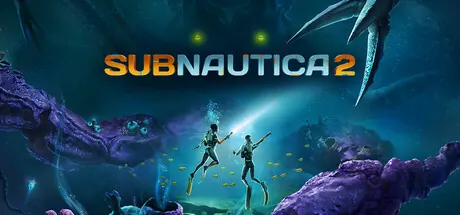
Quick Answer
There Is a List, but It Is Not Permanent Canon
Searches for Subnautica 2 leviathans combine several needs: names, count, locations, identification, and safe scanning. The safest answer separates current encounter references from watchlist or rumor names. Collector Leviathan has the clearest official design context in the sources checked for this page. Shiver and Elusive appear repeatedly in public search demand, while Gargantuan should not be presented as a confirmed current encounter without a matching build or first-party update.
Treat this as a living Early Access guide. Use names for orientation, beacons for routes, and current-build observation before trusting a fixed count, coordinate, aggression range, or scan exploit.
Current Reference List
Subnautica 2 Leviathans: Name, Evidence, and Action
This table separates a current encounter reference from a search-driven name or watchlist item. It is more useful than pretending every result has a permanent coordinate.
| Name or reference | Status | Location clue | What to do |
|---|---|---|---|
| Collector Leviathan | Current encounter reference with official design context | Deep cave route discussed between Tadpole Pens and Alien Ruins; use landmarks, not a fixed pin. | Beacon the entrance, watch a patrol cycle, and scan only while the exit stays open. |
| Shiver Leviathan | Public creature reference; re-check the build | Treat cold or deep-route descriptions as clues, not a permanent coordinate. | Carry oxygen and mobility margin; avoid a first-contact scan. |
| Elusive Leviathan | High-interest name; encounter details are build-sensitive | Do not turn a video, thumbnail, or rumor into a guaranteed biome. | Record patch and source, then retreat if the route does not match. |
| Gargantuan Leviathan | Watchlist unless current build or official update confirms it | No confirmed location is asserted here. | Do not plan a run around leak language; check official evidence first. |
| Other leviathan-class sightings | Patch- or community-labeled reference | Record the biome edge and landmark where you observed it. | Log depth, audio, behavior, and escape space instead of forcing a final name. |
A search result, community nickname, datamined label, or old video is not enough to make a name a confirmed current-build entry.
Profile Reading
Use a Leviathan Entry Without Spoiling the Dive
Read each entry through four questions: what is known, what is only a clue, what can change, and when should you leave?
Collector: identify the disguise
Official development context emphasizes a nature-inspired, rock-like visual idea. Watch movement and silhouette instead of trusting the background.
Best decision: mark the entrance and observe before equipping the scanner.
Shiver: prepare for route pressure
A name does not define spawn, damage, patrol, or scan timing in your save. Preserve visibility and do not let resources remove the return route.
Best decision: treat cold, dark, or deep transitions as preparation signals.
Elusive: protect the spoiler boundary
Searches may mix a current encounter with a video title, speculative name, or another build. Record the date and build before repeating a location claim.
Best decision: label the evidence level beside the name.
Gargantuan: do not turn interest into certainty
Large-name searches can spike before a creature is available in the build readers play. Keep watchlist content separate from the current list.
Best decision: link to official updates instead of guessing.
Locations and Routes
Where Should You Look for Leviathans?
A reliable location answer is usually a route description, not one coordinate. Early Access, save state, update version, and video date can change what a player sees. Start from a known biome or landmark, place a beacon before the dangerous transition, and keep oxygen, health, power, and vehicle clearance for the return. Use the site map and biome guides as planning companions, then verify the creature boundary in your own build.
Start at a stable landmark
Use a base, beacon, named biome edge, or story landmark that you can find again.
Name the danger boundary
Beacon the deep, dark, narrow, or noisy transition; share the name in co-op.
Keep the exit visible
Do not let a scan target pull you behind a bend with no open-water reset.
Re-check after updates
Retest route shape, pathing, collision, vehicle clearance, and landmarks after a meaningful patch.
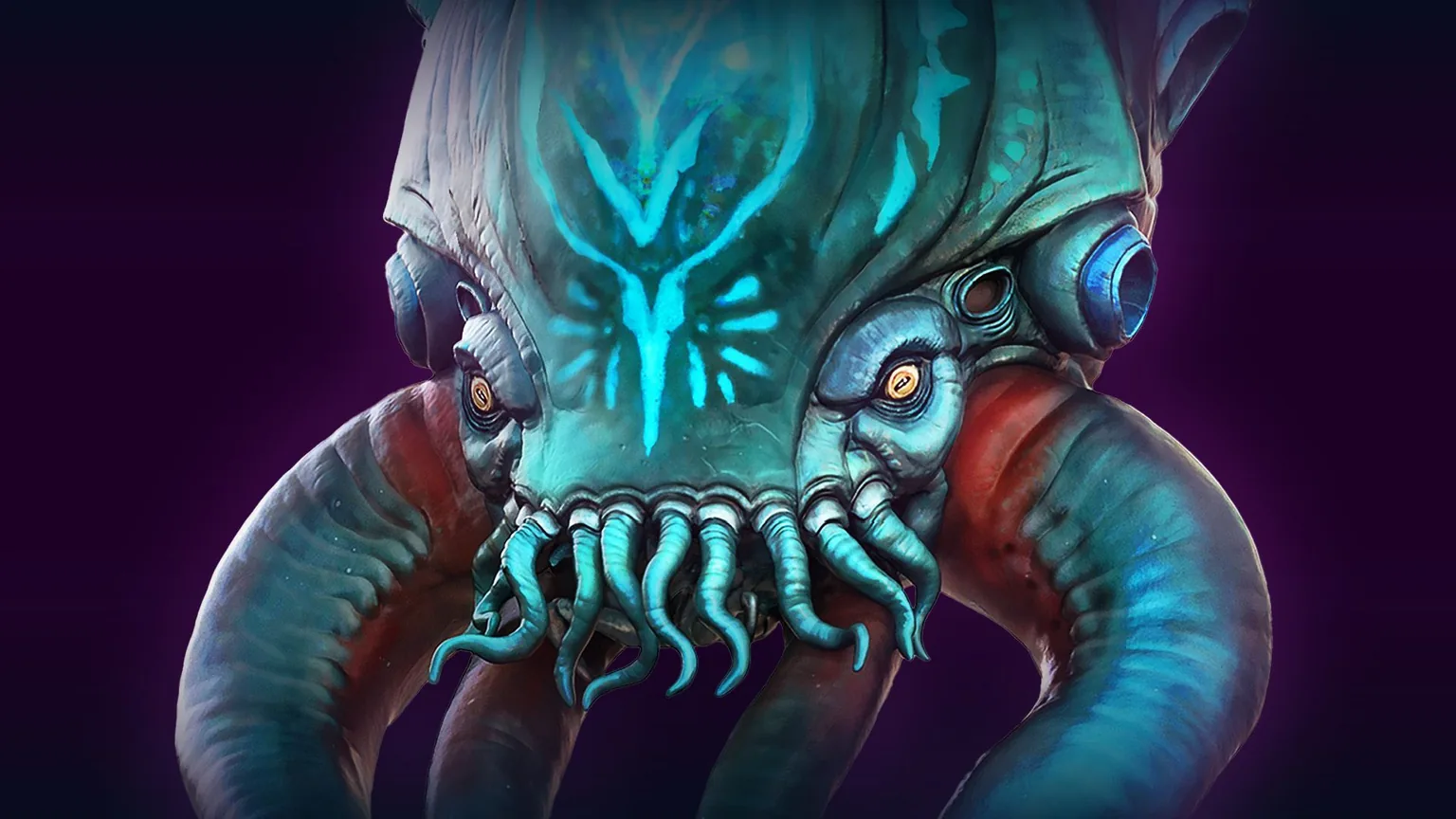
Threat Matrix
Read the Space Before the Creature
Distance, visibility, audio, oxygen, route width, and beacon position decide whether a scan attempt is recoverable. The same creature can be manageable in open water and dangerous in a narrow cave.
Open water
You can see the exit and turn. Observe the patrol before committing to a scan.
Narrow cave
Bank valuables and mark the entrance; compressed routes are harder to escape.
Low oxygen
A nearly complete scan is not success if it removes the return margin.
Co-op split
Assign one scanner, one lookout, and one route caller before the dive.
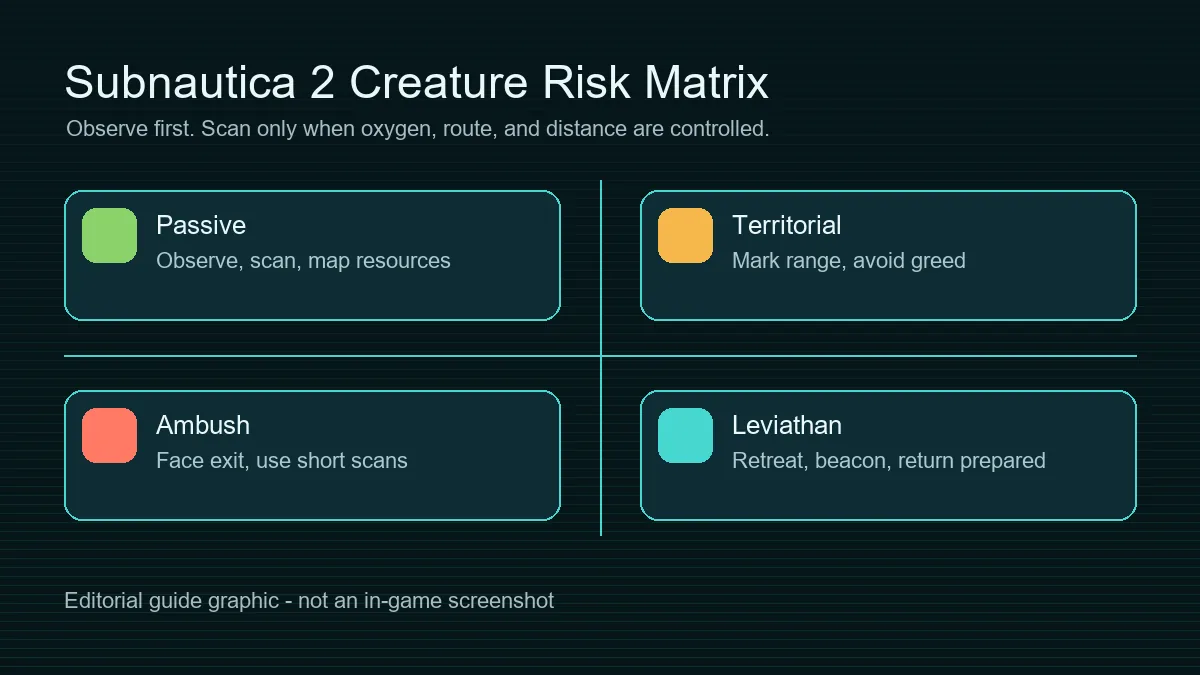
Scanning and Escape
A Safer Five-Step Scan Routine
Scanning is an information goal, not a requirement to win. Reduce the cost of failure, observe, take a short window, and reset when the exit disappears. The image beside this section is an editorial illustration, not gameplay.
Store what you cannot lose
Leave rare materials at the base or safe storage before the attempt.
Fill the survival margin
Prepare oxygen, health, food, water, batteries, power, and repairs for the route.
Watch one movement cycle
Learn turns, closing speed, audio cues, and which side stays open.
Scan in a short window
Approach only while the exit is clear; retreat when sound or movement changes.
Reset instead of forcing it
Return later if blocked. A clean second attempt is faster than recovering lost gear.

Early Access Notes
Which Details Can Change?
The update date and evidence level matter because a durable decision is safer than a fragile exact number.
| Topic | Safe claim | Update action |
|---|---|---|
| Names and count | Lists can mix current encounters, future references, nicknames, and rumors. | Separate current entries from watchlist names after updates. |
| Spawn and route | A landmark route can age better than a hard-coded coordinate. | Retest entrances, biome edges, cave shape, and vehicle clearance. |
| Aggression | Detection, pathing, collision, and damage can change independently. | Repeat an observation cycle before reusing old advice. |
| Scanning | AI or collision changes can invalidate safe angles and timing. | Explain preparation and exit logic instead of a permanent exploit. |
FAQ
Subnautica 2 Leviathan FAQ
How many Leviathans are in Subnautica 2?
There is no safe permanent number for every Early Access build and save. Use the current reference table, keep watchlist names separate, and verify counts after updates.
Is Collector Leviathan in Subnautica 2?
Collector Leviathan has the clearest official design context checked for this guide. Route discussions associate it with deep cave travel near Tadpole Pens and Alien Ruins; use those as clues, not a fixed coordinate.
Can you scan a Leviathan?
The practical answer depends on build and encounter state. Prepare the exit, observe one movement cycle, try a short scan, and leave when the route closes.
Are Shiver and Elusive locations confirmed?
Treat public names as build-sensitive until the current game or a first-party update supports the exact claim. This page avoids inventing permanent coordinates.
Is Gargantuan currently available?
Do not present a watchlist or rumor name as confirmed without a matching build reference. Check official updates and the game you are actually playing.
How is this different from the Creatures Guide?
The Creatures Guide is a broad, spoiler-light behavior overview. This page owns the aggregate list, status boundaries, route clues, scanning, and count/location intent.
Sources and Freshness